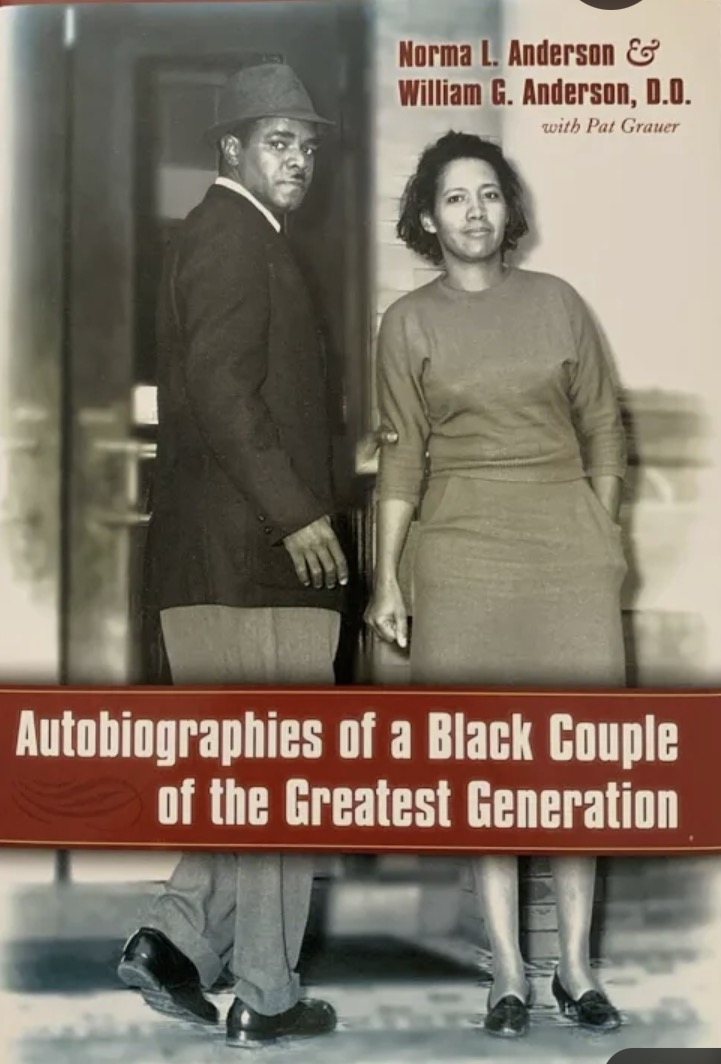
Autobiographies of a Black Couple of the Greatest Generation
The shared life story of Norma and William Anderson, told in their own voices, from their early years through family life, medicine, and the civil rights movement.
Buy from the AOAA life of service
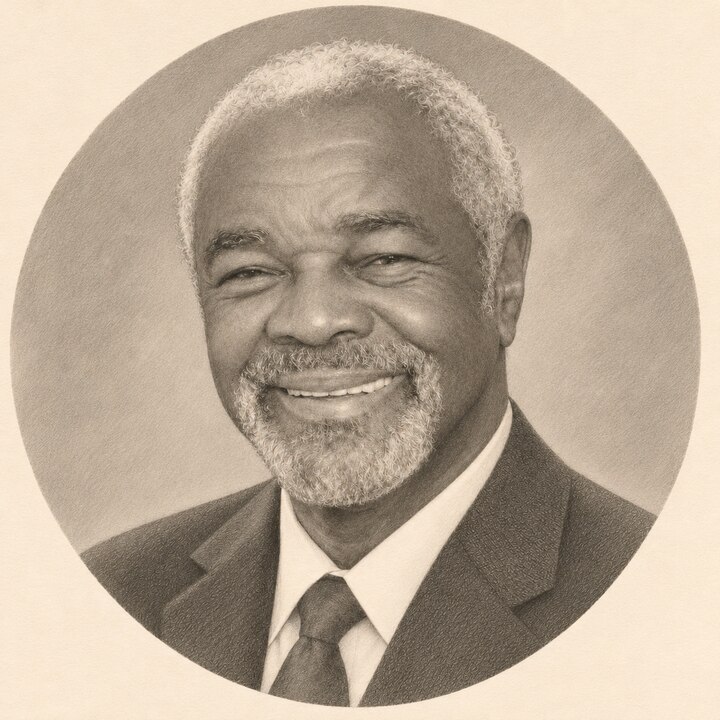
Dr. William Gilchrist Anderson brought together two extraordinary public lives. In southwest Georgia, he practiced medicine while helping lead the Albany Movement, one of the defining campaigns of the modern civil-rights era. He later built a distinguished career in surgery, medical education, and national osteopathic leadership. This page is a first public home for a larger family legacy project now in development.
Selected president in 1961 as Albany's Black civic organizations united into a citywide civil-rights movement.
Returned to southwest Georgia after medical training to practice where Black physicians were urgently needed.
Became the first African American president of the American Osteopathic Association in 1994.
Selected timeline
William Gilchrist Anderson was born December 12, 1927.
At fifteen, he enrolled at Fort Valley State College and pursued a premedical course of study.
At seventeen, he enlisted during World War II and later served with the Navy Hospital Corps, strengthening his resolve to become a physician.
He completed his degree at the Atlanta College of Mortuary Science before continuing his education and work in Atlanta and Montgomery.
He began study at the Des Moines Still College of Osteopathy in Iowa.
He completed his medical degree and interned at Flint Osteopathic Hospital in Michigan.
He returned South and established a medical practice in Albany, Georgia, serving a community with few Black medical professionals.
Albany's leading Black civic organizations selected Dr. Anderson to lead the newly formed Albany Movement.
After the Albany Movement, he became house physician at Art Centre Hospital in Detroit and remained active in the movement, including service with the Southern Christian Leadership Conference.
He became the first Black surgical resident in Detroit's history and later maintained a group surgical practice there.
After eighteen years on the AOA board of directors, he became the organization's first African American president.
Dr. Anderson's family began a public legacy project to preserve the records, stories, scholarship, and institutions connected to his life and work.
The digital archive
Explore ten documents from the William G. Anderson collection, with enlarged page views and downloadable reading copies. Photographs and their captions are being prepared.
Private gallery. Access is limited to invited family members.
Bigdaddy Finds
Albany, Georgia · Summer 1962 · WALB newsfilm
Speaking at a mass meeting, Dr. Anderson urges the audience to keep organizing after Albany’s city commissioners refused to hear the movement’s grievances.
Watch the Shiloh speech at the Civil Rights Digital Library ↗
Source: WALB Newsfilm, Walter J. Brown Media Archives and Peabody Awards Collection, University of Georgia Libraries. Clip walb00059.
Books
The shared life story of Norma and William Anderson, told in their own voices, from their early years through family life, medicine, and the civil rights movement.
Buy from the AOA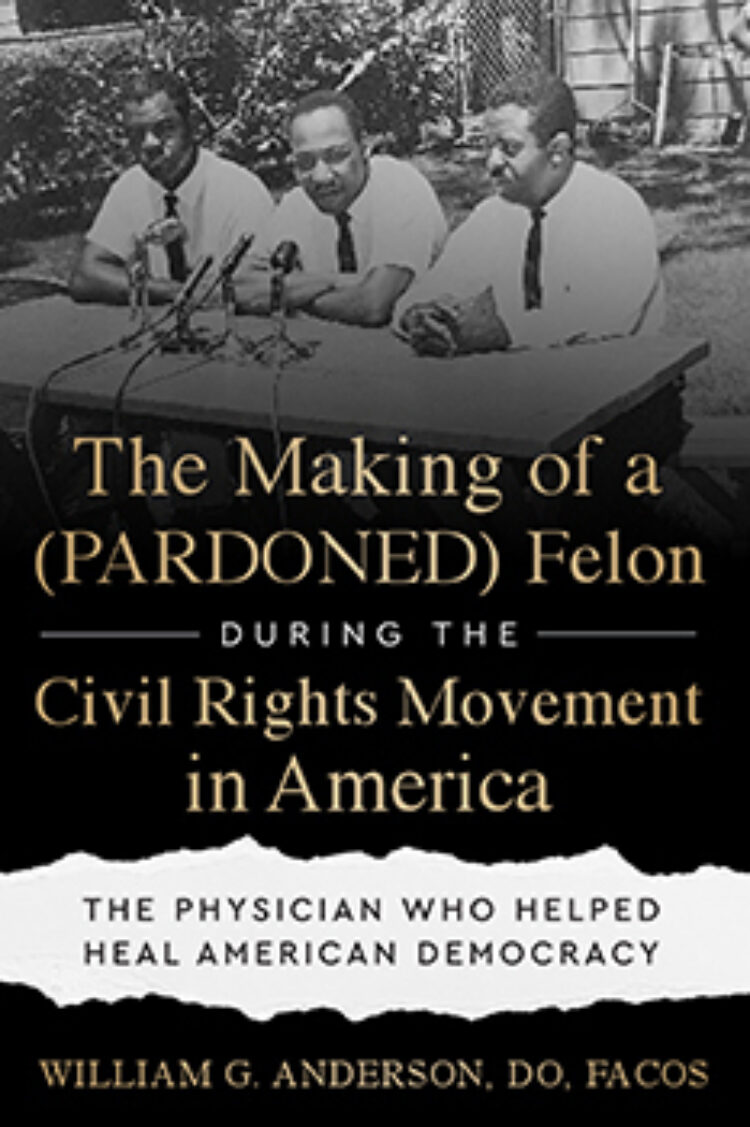
Launched March 17, 2025
Dr. Anderson recalls his role in the Albany Movement and recounts the conviction and presidential pardon that followed his civil rights work.
Buy through the AOFThe American Osteopathic Foundation confirms that proceeds from both books benefit the William G. Anderson, DO Minority Scholarship.
Sources
This first timeline is based primarily on Edward A. Hatfield's biographical entry, “William G. Anderson,” in the New Georgia Encyclopedia. The family legacy project will add archival records, oral histories, photographs, professional materials, and additional scholarship over time.
Primary timeline source: New Georgia Encyclopedia — William G. Anderson. The encyclopedia entry was originally published November 29, 2007, and last edited August 24, 2020.